
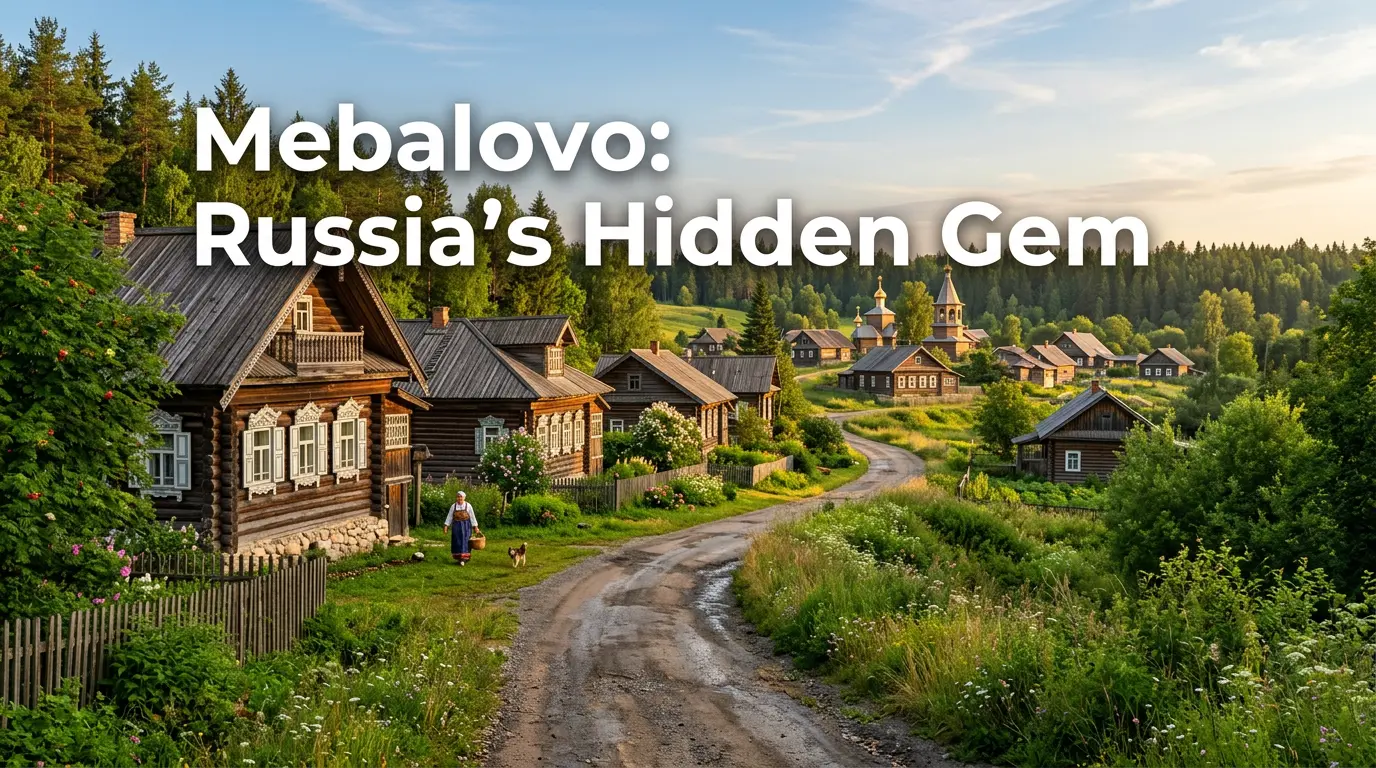
Have you ever stumbled upon a place so authentic that it feels like time stood still? That’s exactly what Mebalovo does to you. Tucked quietly inside Russia’s vast interior, this small but deeply layered village rarely makes it onto mainstream travel lists — and that’s precisely why it deserves your full attention. Whether you’re a seasoned traveler chasing off-the-beaten-path experiences or someone simply curious about hidden corners of the world, Mebalovo offers something genuinely rare: a place where culture, history, and everyday life blend together without pretense.
The True Meaning Behind the Name Mebalovo
Most travelers arrive at Mebalovo without knowing much about where the name itself comes from, and that gap in knowledge often means they miss the deeper story the village is quietly telling. The name Mebalovo is deeply tied to old Slavic linguistic roots, reflecting the settlement patterns that defined rural Russian communities for centuries.
Villages in this region were often named after founding families, local landforms, or the primary trade that supported the community’s earliest residents. Mebalovo is no exception. Historians who have studied the region suggest the name likely traces back to a feudal landowner or a tribal elder whose family shaped the land before formal maps ever recorded it.
Understanding this origin isn’t just academic — it reframes every structure, every field, and every family you encounter inside the village as part of a living narrative that stretches back hundreds of years.
A Walk Through the Deep History of Mebalovo
Long before modern roads connected Russia’s rural communities, Mebalovo functioned as a self-sufficient settlement where locals mastered agriculture, basic craftsmanship, and seasonal trade. Archaeological evidence found near the village points to habitation dating back centuries, with remnants of tools and household items that reveal a community deeply attuned to its natural surroundings.
The village experienced significant transformation during the Soviet era, when collective farming reshaped land ownership and community structures across Russia. Many of the older stone and timber buildings that still stand today are quiet reminders of that period.
Walking through Mebalovo’s older quarters feels like reading a physical timeline — each building speaks to a different chapter of Russian history, from imperial-era craftsmanship to Soviet-era utility, all within a few hundred meters of each other.
What Mebalovo Looks Like Today
Modern-day Mebalovo carries the quiet dignity of a village that never chased growth for its own sake. The streets are narrow and lined with traditional timber homes, many of which still bear the intricate carved window frames that were a hallmark of regional Russian craftsmanship.
Community life revolves around the central market area, where locals gather not just to trade but to maintain the social bonds that define village culture. You’ll notice an absence of the commercial noise that dominates tourist towns — no souvenir shops pushing mass-produced goods, no chain restaurants crowding the main square.
What you get instead is something more honest: a functioning community where people actually live, work, and celebrate their traditions with no performance attached. That authenticity is exactly what makes Mebalovo so refreshing for travelers who’ve grown tired of curated tourist experiences.
The Cultural Traditions That Set Mebalovo Apart
Culture in Mebalovo isn’t something performed for visitors — it’s something lived by residents every single day. The village maintains several annual festivals tied to the agricultural calendar, celebrations that have survived urbanization, political upheaval, and the pressures of the modern world.
Folk music plays a central role in these gatherings, with locally crafted instruments and songs passed down through oral tradition rather than formal education. Artisans in Mebalovo still practice traditional pottery and textile weaving, and many of them welcome curious visitors into their workshops for an unscripted look at these dying crafts.
The community’s relationship with the land — visible in how locals garden, farm, and preserve food — reflects a philosophy of self-reliance that feels almost radical compared to the dependency modern urban life has created in most of us.
Food and Flavors You’ll Only Find in Mebalovo
Eating in Mebalovo is one of those experiences that quietly becomes the highlight of your trip. Local cuisine is built entirely around seasonal ingredients, which means what you eat in summer tastes nothing like what the same dish would taste like in winter.
Wild mushrooms foraged from the surrounding forests appear in soups, pies, and side dishes across nearly every household table. Homemade dumplings — known locally as pelmeni — are stuffed with combinations of pork, beef, and wild herbs that differ from family to family, each one a small declaration of culinary identity.
Fermented rye bread kvass is the drink of choice at communal meals, offering a slightly sour, deeply satisfying flavor that pairs unexpectedly well with almost everything. If you’re lucky enough to be invited to a local home for a meal, don’t hesitate — those tables hold the real story of Mebalovo.
How to Actually Get to Mebalovo Without Getting Lost
Getting to Mebalovo requires a bit more planning than punching an address into a navigation app, but the journey itself is worth every bit of the effort. From Moscow, the most reliable route involves taking a train toward Voskresensk or Kolomna, both of which serve as regional transit hubs with connecting bus routes to surrounding villages.
Driving is actually the most flexible option and allows you to stop at scenic viewpoints and smaller roadside markets along the way. Sheremetyevo International Airport handles most international arrivals into Moscow, and from there, a combination of rail and road transport can place you at Mebalovo’s edge in a few hours.
Traveling in spring or early autumn gives you the best road conditions and the most dramatic scenery. Winter visits are possible for the truly adventurous, but road access can become unreliable after heavy snowfall, so always check regional travel advisories before committing to a cold-weather itinerary.
Where to Stay and How to Sleep Well in Mebalovo
Accommodation in Mebalovo reflects the village’s character — modest, personal, and far more comfortable than first appearances suggest. Local guesthouses run by families offer clean rooms, home-cooked breakfasts, and the kind of genuine hospitality that no hotel chain can replicate.
Staying with a host family is the preferred option for travelers who want real cultural immersion; you’ll share morning tea, hear stories about the village’s past, and leave with a more nuanced understanding of Russian rural life than any guidebook provides. A handful of riverside cottages are also available for rent, providing a quieter and more private base for those who prefer solitude over conversation.
Budget travelers will find that even the most comfortable local guesthouses cost a fraction of what comparable stays in Moscow or St. Petersburg would run, making Mebalovo one of the most affordable immersive travel experiences available in the region.
Outdoor Activities and Exploration Around Mebalovo
The natural landscape surrounding Mebalovo is genuinely stunning in a way that rewards slow, unhurried exploration. Forested hiking trails radiate outward from the village, leading to hilltop viewpoints where you can watch the Russian countryside stretch out in every direction without a single urban structure interrupting the view.
The local river offers fishing opportunities that attract both locals and the occasional weekend visitor from nearby cities, and the riverbanks themselves are peaceful spots perfect for reading or simply sitting with your thoughts. Cycling is another popular way to cover more ground while staying close enough to the landscape to actually feel it.
Spring brings wildflower meadows that photographers consistently underestimate until they’re standing inside one. If you visit in autumn, the forested trails turn into corridors of red and gold that rival any formally celebrated fall destination in Europe or North America.
Insider Tips for Getting the Most Out of Mebalovo
Timing your visit thoughtfully makes an enormous difference in the quality of your Mebalovo experience. Arriving early on weekday mornings gives you access to the local market before the freshest produce and handmade goods disappear. Learning even a handful of basic Russian phrases will open doors that remain firmly closed to visitors who rely entirely on gestures and translation apps.
Locals respond warmly to any genuine effort at communication, and that warmth often translates into recommendations for hidden spots that never appear in any online travel forum. Carrying cash is essential, as many small vendors and guesthouses don’t accept card payments.
Packing light but including solid walking shoes is non-negotiable — Mebalovo’s best moments happen on foot, down unpaved paths, and through fields that weren’t designed with wheeled luggage in mind. Respect the rhythm of village life by keeping noise levels low in residential areas, especially during the midday rest hours that many older residents still observe.
Conclusion: Why Mebalovo Deserves a Place on Your Travel List
Mebalovo isn’t a destination that sells itself through glossy brochures or social media algorithms. It earns its place in the memory of every traveler who takes the time to seek it out.
The village offers something increasingly rare in modern travel — an experience that feels genuinely unmediated, where the culture you encounter is real, the food you eat is locally grown, and the connections you make with residents carry actual weight. For anyone tired of destinations designed around photo opportunities and tourist revenue.
Mebalovo is a quiet but powerful reminder of what travel was always supposed to feel like. Plan your visit with patience, arrive with curiosity, and leave your assumptions about rural Russia at the door. What you’ll find instead is a community that has preserved its identity across centuries — and one that’s quietly extraordinary because of it.
Frequently Asked Questions About Mebalovo
What is Mebalovo?
Mebalovo is a small, historically rich village located in Russia. It’s known for its traditional architecture, folk culture, seasonal festivals, and authentic rural lifestyle that has remained largely unchanged for generations.
Where exactly is Mebalovo located?
Mebalovo is situated in Russia’s interior, accessible from major cities like Moscow via train and road. Its precise location places it within reach of regional transit hubs such as Voskresensk and Kolomna.
Is Mebalovo worth visiting for international tourists?
Yes, especially for travelers who prioritize authentic cultural experiences over commercial tourist attractions. Mebalovo offers immersive encounters with Russian folk traditions, local cuisine, and genuine community life at a very affordable cost.
What is the best time of year to visit Mebalovo?
Spring and early autumn are ideal. Spring brings wildflower landscapes and mild temperatures, while autumn transforms the surrounding forests into dramatic displays of color. Winter visits are possible but require careful planning due to road conditions.
What language do people speak in Mebalovo?
Russian is the primary language spoken in Mebalovo. Locals generally don’t speak English, so learning basic Russian phrases before your visit will significantly improve your experience and interactions with residents.
What should I bring when visiting Mebalovo?
Pack comfortable walking shoes, cash for local vendors, warm layers for cooler evenings, and a basic Russian phrasebook. A camera is worth having, though the village’s atmosphere is best absorbed in person rather than through a lens.